Waymo Aggressively Scales Robotaxi Fleet Toward 20,000 Vehicles by 2027
Alphabet's autonomous driving unit Waymo is targeting an aggressive fivefold fleet expansion from 4,000 to 20,000 commercial robotaxis by year-end 2027, vastly outpacing Wall Street forecasts backed by a $5B debt facility.
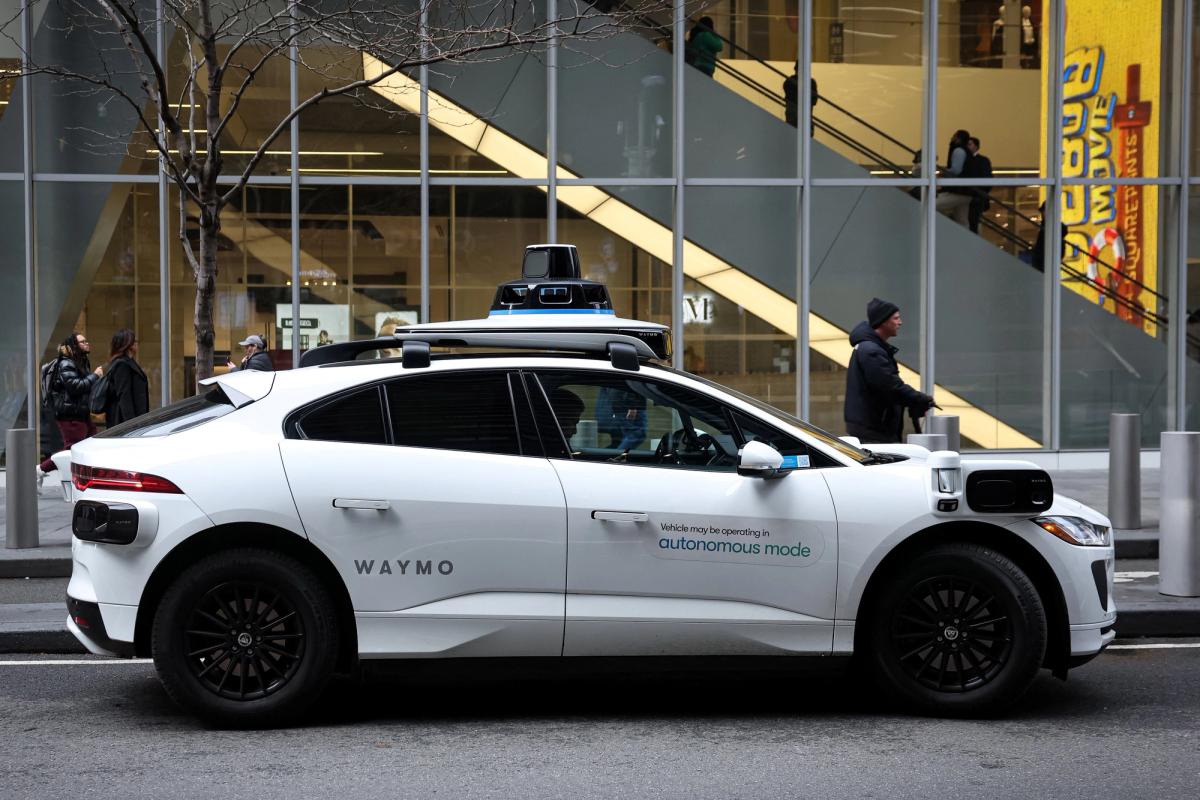
Waymo, the autonomous mobility subsidiary of Alphabet, is preparing for the most aggressive commercial deployment in the history of driverless vehicles. According to internal strategic planning documents reviewed by Semafor, Waymo is planning to quintuple its active commercial robotaxi fleet—scaling from approximately 4,000 vehicles today to 8,000 by the end of 2026, and surging to 20,000 by year-end 2027.
The rapid scale-up is backed by a newly secured US$5 billion dedicated debt financing facility, specifically structured to fund vehicle manufacturing, fleet sensor integration, and the rollout of automated depot hubs across major metropolitan markets domestically and internationally.
Outpacing Wall Street Consensus: A 2.5x Acceleration Over Baseline Forecasts
Waymo's 20,000-vehicle internal deployment target dramatically outstrips financial market expectations. By comparison, recent research from Morgan Stanley projected Waymo's fleet would reach only 8,000 active vehicles by the end of 2027. If executed on schedule, Waymo's on-the-ground operational footprint will be two and a half times larger than mainstream Wall Street models.
The service is already operating fully driverless commercial rides across 15 US metropolitan areas—including San Francisco, Phoenix, Los Angeles, and Austin—surpassing 500,000 paid passenger trips per week. Executive guidance has targeted reaching 1 million weekly commercial rides before the end of 2026.
Industrializing Autonomy: From Safety Milestones to Fleet Utilization Economics
Reaching a 20,000-vehicle operational threshold marks the definitive transition of autonomous transport from validation pilots into an infrastructure utility. Engineering moats are increasingly shifting from core perception neural networks toward vehicle platform cost curves, automotive-grade solid-state LiDAR sourcing, and automated depot turnaround times.
This operational scale will place immense commercial pressure on competing robotaxi ventures. By delivering dense sub-five-minute dispatch times in Tier 1 cities, Waymo is setting the service-availability standard before rival platforms achieve commercial scale.
- Waymo targeting fleet expansion from ~4,000 to 8,000 (2026) and 20,000 active robotaxis by end of 2027
- Funded by a dedicated US$5 billion debt financing vehicle
- Internal plan is 2.5x more aggressive than Morgan Stanley's 8,000-vehicle projection for 2027
- Currently completing over 500,000 paid weekly rides across 15 major US metro markets
- Strategic focus shifting to automotive supply chain scale, sensor cost deflation, and automated depot logistics
- Core execution challenges: regulatory expansion timelines and scaling across adverse winter weather operational domains
“Autonomous vehicles have graduated from the era of algorithmic proofs-of-concept into industrial fleet execution: manufacturing tens of thousands of purpose-built vehicles delivering mobility at a lower cost-per-mile than private car ownership.”
Waymo declined to comment on the internal figures. Investors will monitor subsequent Alphabet quarterly earnings reports for verified commercial trip telemetry and fleet delivery milestones.
References & Primary Sources
Related Analysis & Context
Siemens and Nvidia Deploy Industrial AI at Erlangen Factory: Digital Twins Cut Engineering by 85%
Siemens and Nvidia have showcased production-grade industrial AI and digital twin deployments at the Erlangen Electronics Factory in Germany, slashing engineering setup times by 85% backed by a €500M investment targeting 80% automation by 2030.
Jim Keller's Tenstorrent Raises $1.5B Series E at $6.2B Valuation to Scale RISC-V AI Systems
Next-generation AI silicon and IP developer Tenstorrent, helmed by legendary chip architect Jim Keller, has secured $1.5 billion in Series E equity financing at a $6.2 billion valuation to mass-produce its Galaxy server racks and expand RISC-V hardware licensing.
Neocloud Shakeout Looms: Executives Predict Only 7–10 of Hundreds Will Survive
Industry executives forecast a brutal consolidation across the AI GPU cloud sector that could leave only 7 to 10 independent survivors out of hundreds of neoclouds, placing intense scrutiny on debt-fueled balance sheets and Nvidia's $20B lease backstop.